 Français
 Nederlands
 English

Product successfully added to your shopping cart
Subtotal of your cart (1 item) :

Published on 17/09/2026
Reading time:3 minutes
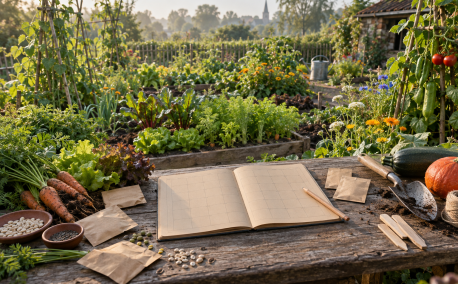
The vegetable garden does not need to become empty after summer. Even as the days grow shorter, you can sow crops for harvests in autumn, winter or early spring.
In Belgium, the Netherlands and similar Northern European climates, choose crops that tolerate cool temperatures and low light. A cold greenhouse, tunnel or frame can extend the sowing season and protect young plants from wind, heavy rain and part of the frost.
The periods below are guidelines. Adjust them to your region, soil, garden exposure and local weather.
Browse our organic open-pollinated vegetable seeds.
In September, the soil is usually still warm enough for reliable germination. Outdoors, sow:
Keep seedbeds moist during dry weather. Thin crowded seedlings so that leaves dry more quickly and disease pressure remains lower.
For related seasonal advice, see the main vegetable seed range.
As light levels fall, growth slows. Suitable crops include:
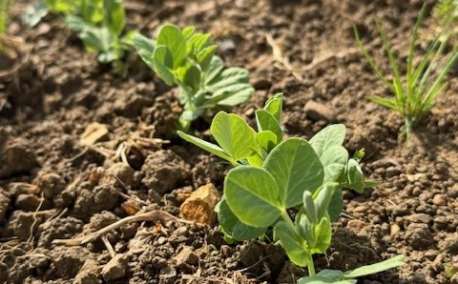
In mild regions, hardy broad beans and peas can be sown in October. It is also a good time to plant autumn garlic and suitable onion sets.
Outdoor sowing is limited during the darkest months. Under cover, sow:
Germination will take longer than in spring. Ventilate the greenhouse on mild, sunny days and water sparingly. Persistent damp creates more problems than a temporarily dry surface.
In mild regions, winter broad beans, hardy peas, garlic and overwintering onions may be possible. Never work frozen or waterlogged soil.
By February, day length begins to increase.
Under cover, sow spring lettuce, radishes, spinach, rocket, chervil and early brassicas.
Outdoors, peas, broad beans, parsnips, hardy spinach and early radishes can be started once the soil is workable.
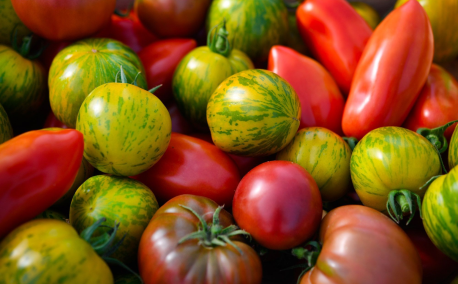
Tomatoes, aubergines, peppers and chillies should be started indoors in a warm, very bright position. For failed sowings, read Why are my seeds not germinating?.
If a bed will remain unused until spring, sow a green manure. Green manures reduce erosion and weeds, add organic matter and support soil life.
Choose the species according to the sowing date, available growing time and following crop. Prevent unwanted self-seeding by cutting plants before they set seed.
For additional tomato-related advice, see How to grow tomatoes from seed to harvest and Common mistakes with tomatoes.
Lamb’s lettuce, winter spinach, winter lettuce, radishes, broad beans, peas and green manures keep the garden productive throughout the cold season. Always follow the crop-specific instructions on the seed packet and product page.
Cycle en terre | Company number : 1012.992.972 | Legal information & Contact | General terms and conditions
Terms of use of website | Cookies | Personal Data | Processing of your data by Google
© Copyright 2024-2026 - e-net. - your strategic and digital transformation agency
Subtotal of your cart (0 items) Subtotal of your cart (1 item) :