 Français
 Nederlands
 English


Product successfully added to your shopping cart
Subtotal of your cart (1 item) :

Published on 17/09/2026
Reading time:2 minutes
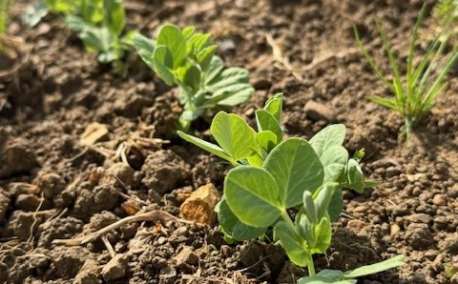
Seeds that fail to emerge are not necessarily poor quality. Temperature, moisture, sowing depth and the crop’s natural germination time frequently matter more than the age of the seed.
Conditions are too cold. Peas and spinach tolerate cool soil, while peppers and aubergines require consistent warmth. Measure the compost temperature rather than relying on room temperature.
Conditions are too hot. Lettuce and some leafy crops germinate poorly in very warm compost. Move summer sowings to a cooler position.
The compost dried out. Once germination begins, complete drying may kill the developing seed. Fine surface-sown seeds are particularly vulnerable.
The compost is waterlogged. Excess water removes oxygen and may cause seeds to rot. Use free-draining compost and containers with drainage holes.
Seeds were sown too deeply. As a general rule, cover seeds to two or three times their own thickness.
Seeds have poor contact with the compost. Very shallow seeds may dry rapidly. Firm the surface gently after sowing.
The normal germination time has not elapsed. Radishes emerge quickly, while parsley and parsnips may require several weeks.
The seed needs special treatment. Some species require chilling, soaking or exposure to light to break dormancy.
The seed was stored badly. Heat and humidity gradually reduce viability. Store packets somewhere cool, dry and dark.
The seed has aged. Viability declines at different rates. Parsnip seed is relatively short-lived, while tomato and squash seed often remains viable for longer.
Place ten seeds between sheets of moist kitchen paper. Keep them inside a container or bag that limits evaporation and maintain the recommended temperature.
Eight germinated seeds indicate approximately 80% viability. With a lower result, sow more densely or replace the seed for an important crop.
First allow the crop’s normal germination period to pass. If nothing emerges, correct the likely problem before resowing. Repeating the same method under unchanged conditions is likely to produce the same result.
Cycle en terre | Company number : 1012.992.972 | Legal information & Contact | General terms and conditions
Terms of use of website | Cookies | Personal Data | Processing of your data by Google
© Copyright 2024-2026 - e-net. - your strategic and digital transformation agency
Subtotal of your cart (0 items) Subtotal of your cart (1 item) :