 Français
 Nederlands
 English

Product successfully added to your shopping cart
Subtotal of your cart (1 item) :

Published on 15/01/2026
Reading time:2 minutes
February marks an important transition in the vegetable garden. Days are getting longer, light slowly returns and soil life begins to awaken. Despite the remaining cold, this is a key month to anticipate the first sowings, continue winter harvests and actively prepare for the coming season.
Sowing resumes gradually, mainly under cover and with controlled temperatures:
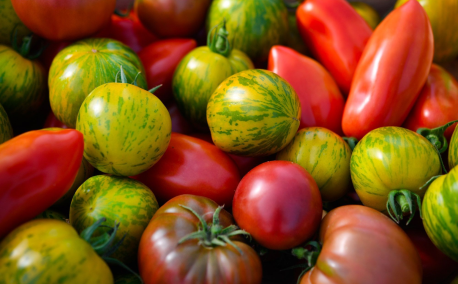
Solanaceae only with heat (minimum 20–22 °C): tomatoes, peppers and chillies.
Eggplants: ideally sown at 22–24 °C, with plenty of light.
Under cold frames or tunnels: early lettuces, spinach, radishes, early carrots (depending on conditions).
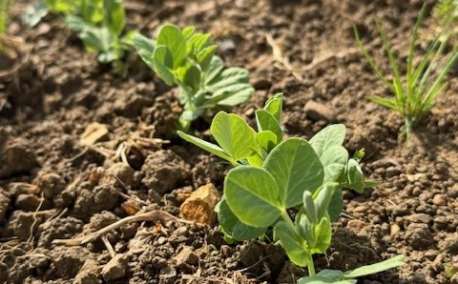
Outdoors (well-exposed, so the soil warms up faster): sow broad beans, robust and well suited for early sowing. Some spinach, turnips, onions, peas, and leeks can also be sown from mid-February.
This is also the perfect time to:
Prepare pots, compost, labels and protective covers.
Test seed germination.
Plan space for early seedlings.
Planting remains limited and weather-dependent:
Garlic, shallots, onions: still possible if the soil is neither frozen nor waterlogged.
Fruit trees and shrubs: last favourable planting period outside frost.
Soft fruit (currants, raspberries, blackcurrants): bare-root planting.
Avoid working wet soil to preserve its structure.
The vegetable garden continues to provide produce:
Leeks, parsnips, Jerusalem artichokes, swedes.
Winter cabbages: kale, Brussels sprouts.
Winter salads: lamb’s lettuce, spinach.
Chicory / witloof from forced cultivation.
Harvest preferably during frost-free periods for best quality.
February is a key month for maintenance:
Mulching to protect the soil and limit early weeds.
Frost protection still required during cold nights.
Ventilation of greenhouses and frames when possible to reduce humidity.
Cleaning empty beds without deep digging.
Adding mature compost when conditions allow.
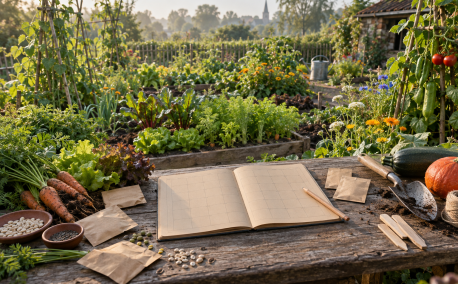
February is ideal for planning ahead:
Finalising crop rotation.
Choosing open-pollinated varieties for spring sowing.
Completing seed orders.
Planning the use of beds, greenhouses and tunnels.
In February, the vegetable garden slowly wakes up:
🌱 First sowings under cover and warmth
🥒 Winter harvests continue
🍂 Soil protection and maintenance
🍂 Active preparation for spring
A crucial transition month for a successful start to the season.
Cycle en terre | Company number : 1012.992.972 | Legal information & Contact | General terms and conditions
Terms of use of website | Cookies | Personal Data | Processing of your data by Google
© Copyright 2024-2026 - e-net. - your strategic and digital transformation agency
Subtotal of your cart (0 items) Subtotal of your cart (1 item) :