 Français
 Nederlands
 English

Product successfully added to your shopping cart
Subtotal of your cart (1 item) :

Published on 26/02/2026
Reading time:2 minutes
March marks the true restart of the vegetable garden. Days are noticeably longer, light intensity increases and the soil gradually begins to warm up. Although frost is still possible, activity accelerates: sowing increases, the first plantings begin and soil work resumes carefully.
In March, sowing intensifies both under cover and gradually outdoors when the soil is workable and sufficiently warmed.
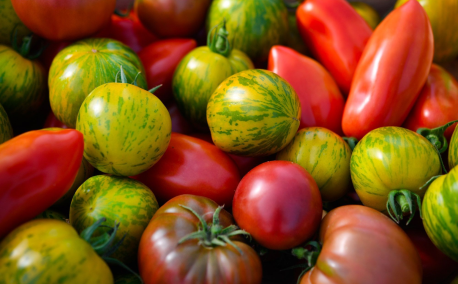
Under greenhouses or cold frames, early spring crops such as lettuce, spinach, leeks and certain brassicas can be sown. Warm-season crops started in February (tomatoes, peppers, eggplants) continue growing and require sufficient light and monitoring.
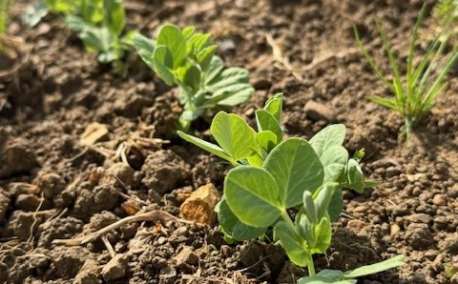
Outdoors, hardy crops such as peas, broad beans, carrots, radishes, turnips, some onions and spinach can be sown when conditions allow.
Only work the soil when it is not waterlogged to preserve its structure.
March also allows the first plantings, depending on weather conditions.
Early potatoes can be planted towards the end of the month in soil that has warmed sufficiently. Garlic, shallots and onions can still be planted if not done earlier.
It is also the last favourable period to plant fruit trees and soft fruit outside frost periods.
Despite the seasonal change, harvesting continues:
Leeks
Winter cabbages
Lamb’s lettuce and winter spinach
Root vegetables left in the ground such as parsnips
With increasing daylight, some crops begin to bolt, so timely harvesting is important.
March is an important preparation month:
Clear beds that have been freed
Add mature compost to beds intended for demanding crops
Lightly aerate the soil without deep digging
Weed early to prevent weeds from establishing
Monitor slugs and pests as soon as seedlings emerge
A well-prepared soil in March sets the foundation for the entire season.
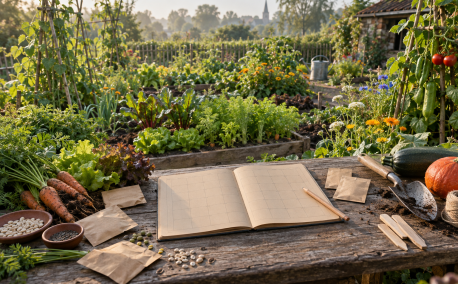
March turns winter planning into action:
Finalise crop rotation
Organise beds for summer crops
Prepare supports, nets and protective systems
Adjust sowing quantities to available space
Anticipation prevents last-minute adjustments later in spring.
In March, the vegetable garden becomes fully active again:
🌱 Increased sowing under cover and outdoors
🥒 Final winter harvests
🍂 Soil preparation and enrichment
🍂 Concrete organisation of the growing season
March sets the rhythm of spring: observation, gradual progress and consistency make all the difference.
Cycle en terre | Company number : 1012.992.972 | Legal information & Contact | General terms and conditions
Terms of use of website | Cookies | Personal Data | Processing of your data by Google
© Copyright 2024-2026 - e-net. - your strategic and digital transformation agency
Subtotal of your cart (0 items) Subtotal of your cart (1 item) :