 Français
 Nederlands
 English

Product successfully added to your shopping cart
Subtotal of your cart (1 item) :

Published on 15/05/2025
Reading time:4 minutes
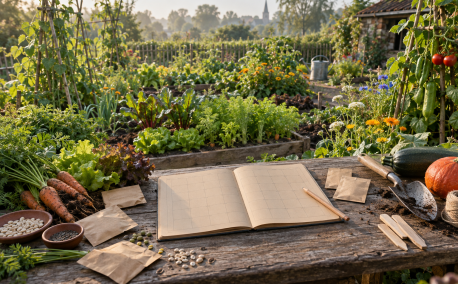
July is one of the most rewarding months in the vegetable garden. Summer crops are reaching their peak, harvest baskets quickly fill up, and it's already time to prepare for autumn. Even in the heat of summer, many vegetables can still be sown or planted to extend the harvest well into the cooler months. Here is everything you need to know to keep your vegetable garden healthy, productive and full of life throughout July.
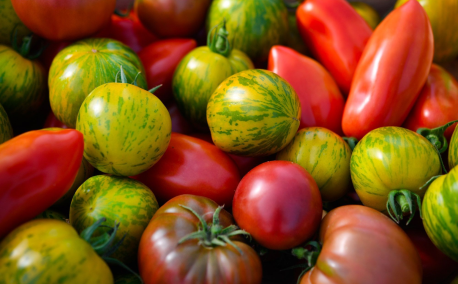
July is when the hard work of spring truly pays off. Many vegetables reach maturity and should be harvested regularly to encourage continued production.
Typical July harvests include:
Harvest early in the morning whenever possible, when vegetables are still well hydrated. Picking zucchini, beans and cucumbers while they are young improves both quality and yield, as regular harvesting encourages plants to produce continuously.
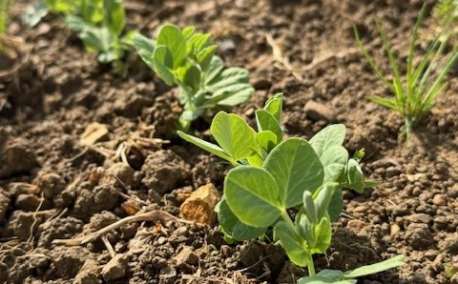
Many gardeners are surprised to learn that July is still an excellent month for sowing.
Suitable crops include:
Warm soil encourages rapid germination, provided the seedbed remains consistently moist.
July is also suitable for transplanting young plants started earlier in the season.
You can still plant:
Water newly planted vegetables thoroughly during the first few days to help them establish quickly.
Water management often becomes the gardener's main concern during July.
A few simple practices make a significant difference:
Deep watering encourages stronger root systems, making vegetables more resilient during dry periods.
Applying mulch is one of the most effective ways to improve your vegetable garden during summer.
A mulch layer of 5 to 10 cm helps:
Grass clippings (slightly dried), straw, hay, leaves or wood chips all make excellent mulching materials.
Tomatoes require regular attention throughout July.
Key maintenance tasks include:
Avoid excessive pruning, however, as foliage also protects fruits from sunscald during hot weather.
Thanks to mulching, weed pressure is generally much lower.
Remove weeds while they are still small and before they produce seeds. Light hoeing after rainfall or irrigation remains one of the simplest and most effective techniques.
Beneficial insects are particularly active during July.
Allow some flowering herbs and flowers to bloom, such as:
These attract bees, hoverflies, butterflies and many other beneficial insects that contribute to pollination and the natural control of pests.
As potatoes, garlic and peas are harvested, more space becomes available in the garden.
Avoid leaving bare soil whenever possible.
Instead, you can:
Keeping the soil covered throughout the year improves both fertility and soil structure over time.
Vegetables often wilt temporarily during the hottest part of the day without actually suffering from water shortage.
Before watering, always check the soil moisture a few centimetres below the surface. This simple habit helps prevent unnecessary watering while encouraging deeper rooting and healthier plants.
July is a month of abundance, but also of preparation. While you're enjoying generous harvests, you're simultaneously laying the foundations for autumn production. By sowing regularly, watering efficiently and keeping the soil permanently covered, your vegetable garden will remain productive, resilient and full of biodiversity throughout the summer.
Cycle en terre | Company number : 1012.992.972 | Legal information & Contact | General terms and conditions
Terms of use of website | Cookies | Personal Data | Processing of your data by Google
© Copyright 2024-2026 - e-net. - your strategic and digital transformation agency
Subtotal of your cart (0 items) Subtotal of your cart (1 item) :