 Français
 Nederlands
 English

Product successfully added to your shopping cart
Subtotal of your cart (1 item) :

Published on 14/10/2025
Reading time:2 minutes
December marks a real slowdown in the vegetable garden: days are short, cold and humidity dominate, and frost can limit outdoor work. However, the garden does not completely stop — it’s still time to harvest, protect crops, maintain the soil and prepare for the next growing season.
No sowing is done outdoors in December. Under a cold greenhouse, cold frame or well-protected mini greenhouse, a few options remain:
Lamb’s lettuce and garden cress.
A small amount of winter spinach.
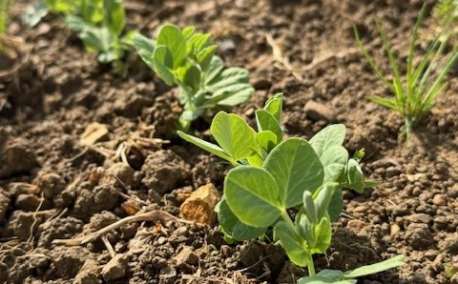
A few early broad beans or peas, on a small scale, to get a head start on spring harvests.
December is not a major planting month, but as long as the soil is not frozen or waterlogged, you can still plant:
Garlic (hardy autumn varieties).
White onions and shallots in well-drained beds or preferably on raised ridges.
Even in December, the vegetable garden can still provide:
Leeks, Brussels sprouts, kale.
Jerusalem artichokes, parsnips, winter carrots.
Lamb’s lettuce and hardy salads under cover or in a greenhouse.
December is mainly about care and protection:
Protect sensitive crops with mulch, fleece, cloches or tunnels.
Monitor humidity and ventilate greenhouses on sunny days to prevent disease.
Spread mature compost on cleared beds.
Store harvests in a dry, cool and well-ventilated place (potatoes, squashes, apples…).
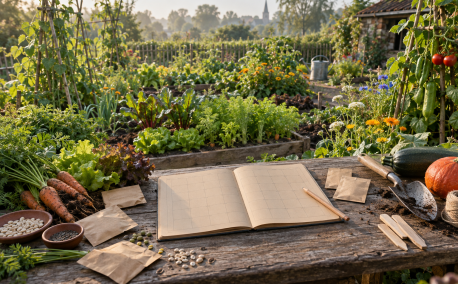
December is also the perfect time to plan ahead:
Crop rotation planning to maintain soil fertility and reduce disease.
Seed selection: start choosing your open-pollinated varieties for spring.
Orders: prepare your seed orders so you’re ready when the sowing season begins.
In December, the vegetable garden slows down but remains active:
A few sowings are still possible under cover.
Garlic and onions can still be planted if soil conditions allow.
Harvest winter vegetables and root crops.
Protect and maintain soil and crops.
Plan and prepare for the next growing season.
Cycle en terre | Company number : 1012.992.972 | Legal information & Contact | General terms and conditions
Terms of use of website | Cookies | Personal Data | Processing of your data by Google
© Copyright 2024-2026 - e-net. - your strategic and digital transformation agency
Subtotal of your cart (0 items) Subtotal of your cart (1 item) :