 Français
 Nederlands
 English
Product successfully added to your shopping cart
Subtotal of your cart (1 item) :

Published on 11/12/2025
Reading time:3 minutes
A living heritage rediscovered through flavour, culture, and resilience
For decades, local vegetable varieties seemed to belong to the past. They survived mostly in family gardens, preserved by a handful of passionate growers, while standardized modern varieties dominated seed catalogues.
Yet today, a clear trend is emerging: local varieties are making a remarkable comeback, both in home gardens and in the public imagination.
This resurgence is not a nostalgic fad. It reflects a deeper shift in how we relate to food, land, and autonomy.
Many gardeners say it openly:
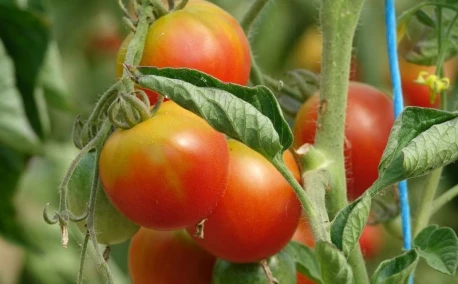
“I had forgotten tomatoes could taste like that.”
“This bean tastes exactly like the ones from my grandparents’ garden.”
Local varieties often offer outstanding flavour because they:
Haven’t been selected primarily for storage or transport,
Fully express the character of their growing region,
Bring diversity and personality to the plate.
In an increasingly uniform food landscape, they offer authenticity and surprise.
Local varieties emerge from decades (sometimes centuries) of interaction between soil, climate, and human selection.
They carry the memory of a specific region and adapt naturally to it.
They are better able to cope with:
Regional pests and diseases,
Unpredictable weather,
Short growing windows,
Fluctuating temperatures.
In a changing climate, this resilience becomes a crucial asset.
Local varieties are more than crops. They are stories.
They hold:
Village names,
Culinary memories,
Family traditions,
Regional identities.
Growing a local variety is a way to nurture cultural heritage as much as food.
As agricultural systems become more uniform, the desire for diversity grows.
Local varieties provide:
Unusual shapes and colours,
Natural hardiness,
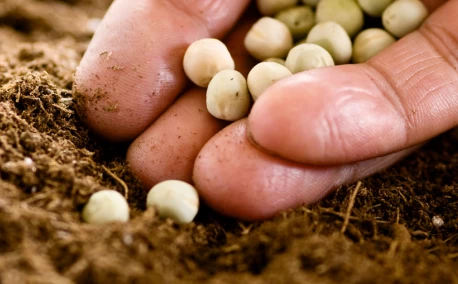
The possibility to save and select your own seed,
Greater autonomy for gardeners.
Each garden that grows a local variety contributes to preserving biodiversity.
The revival of local varieties is made possible by artisanal seed producers—like Cycle en Terre—who dedicate themselves to:
Recovering old or forgotten lines,
Multiplying them carefully,
Studying their behaviour,
Reintroducing them to the public.
This meticulous work keeps living genetic heritage accessible to all.
The renewed interest in local varieties reflects a broader transformation:
A shift toward shorter supply chains,
Greater awareness of biodiversity loss,
A desire for flavour and meaning,
A search for autonomy in home gardening.
Local varieties are not just a memory of the past; they are part of a resilient future.
By cultivating them, we keep a living heritage thriving.
Cycle en terre | Company number : 1012.992.972 | Legal information & Contact | General terms and conditions
Terms of use of website | Cookies | Personal Data | Processing of your data by Google
© Copyright 2024-2026 - e-net. - your strategic and digital transformation agency
Subtotal of your cart (0 items) Subtotal of your cart (1 item) :